
From the Shoulders of Leaders to the Hands of Humanity
A Timeline of Culture, Courage, and Cloth
2000+ BCE – Ancient Civilisations
In Mesopotamia and Egypt, linen cloths were used not just for cleanliness but as a mark of respect and purity. Draped over shoulders, it was a sign of ritual and social role.
500 BCE – India
Saints and philosophers wore cotton angavastram — simple shoulder cloths representing spiritual detachment and inner strength. This continues into today’s rural traditions.
300 BCE – Greece & Rome
The toga and himation, worn over the shoulder, signified wisdom and public responsibility. Leaders, senators, and orators spoke with a cloth draped across their bodies.
600 CE – Japan
The "tenugui" – a woven cotton towel – was a symbol of artisan pride. Even today, sumo wrestlers, chefs, and craftsmen wear it during work as an honour badge.
19th Century – Africa
Kente and handwoven cloths worn across the shoulder represented heritage, leadership, and tribe. In Ghana, Burkina Faso, and beyond, it was identity woven in colour.
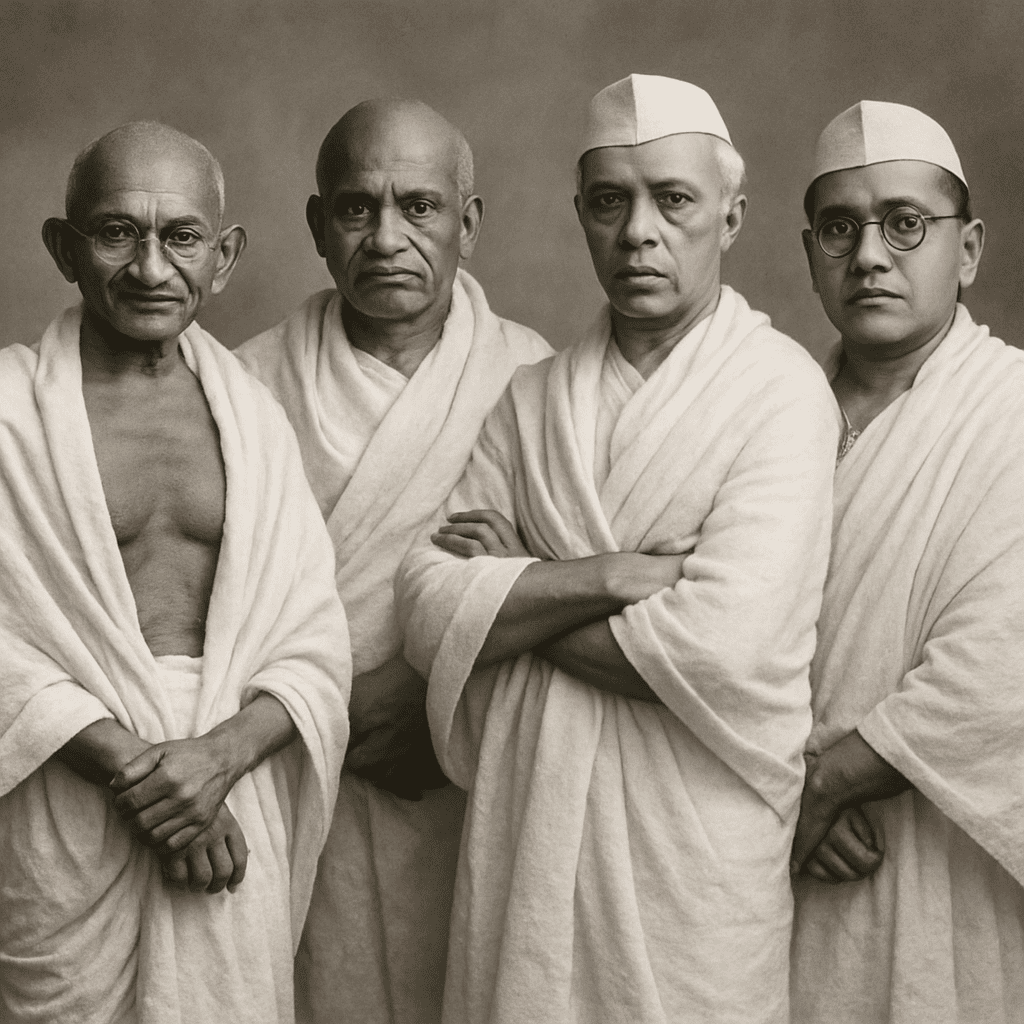
1900s – India’s Freedom Movement
From Gandhi’s khadi shoulder towel to Kamaraj’s humble white cloth, the towel became a symbol of resistance, rural pride, and people-first leadership.
1950–Present – Global Leadership & Local Heroes
Nelson Mandela wore local shirts and sometimes a towel at youth rallies
Fidel Castro’s olive scarf was his battle-ready companion
Grassroots leaders like Medha Patkar and Mayilamma carried simple cotton towels with pride
In homes, fields, temples, and hospitals, the towel became a quiet symbol of care.
One Cloth, Many Cultures — One Message
At innoweave…